Winning at poker requires a combination of skill, strategy, and smart decision-making rather than pure luck. To win consistently at poker, you need to master hand rankings, understand position play, manage your bankroll wisely, and learn to read your opponents’ betting patterns. These core skills separate winning players from those who consistently lose money at the table.
Many beginners think poker is about getting lucky with cards. The truth is that successful players win by making better decisions than their opponents over time. They know when to bet aggressively, when to fold weak hands, and how to control their emotions during tough losses.
This guide will walk you through the essential strategies that winning players use every day. You’ll learn the basic concepts that form the foundation of solid poker play, plus advanced techniques that can give you an edge over your competition.
Fundamentals of Winning Poker
Success in poker requires mastering three core elements: knowing which hands beat which, understanding how your seat position affects your decisions, and using the right betting approach for each situation.
Understanding Poker Hand Rankings
You need to memorize the complete hand ranking system before you play any real poker game. The rankings go from highest to lowest:
- Royal Flush: A, K, Q, J, 10 of the same suit
- Straight Flush: Five cards in sequence, all the same suit
- Four of a Kind: Four cards of the same rank
- Full House: Three of a kind plus a pair
- Flush: Five cards of the same suit, not in sequence
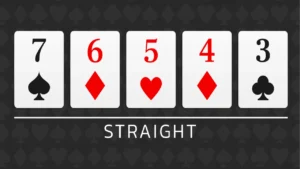
- Straight: Five cards in sequence, mixed suits
- Three of a Kind: Three cards of the same rank
- Two Pair: Two different pairs
- One Pair: Two cards of the same rank
- High Card: The highest single card when you have no other hand
Strong starting hands give you better winning chances. Premium hands include pocket aces, kings, queens, and ace-king. These hands win more often than weaker combinations like 7-2 offsuit, which is the worst starting hand in Texas Hold’em.
Positional Advantage and Table Dynamics
Your seat position at the table directly impacts which hands you should play. Players who act last have a major advantage because they see what others do before making their own decisions.
Late position (dealer button and one seat to the right) lets you play more hands. You gather information from everyone who acts first. Middle position requires moderate caution with your hand selection. Early position (first three seats after the big blind) forces you to play only your strongest hands.
The button is the most profitable seat at the table. You act last on every betting round except pre-flop. This position allows you to steal pots with weaker hands and control the pot size.
Watch how your opponents play. Tight players fold most hands and only bet with strong cards. Loose players enter many pots with weak hands. Adjust your strategy based on who you’re playing against.

Poker Betting Strategies
Your bet size should match your goal for each hand. Value betting means betting when you have a strong hand to get called by weaker hands. Bluffing works when you bet with weak cards to make better hands fold.
Bet between 50% and 75% of the pot for most value bets. Smaller bets risk less but give opponents better odds to call. Larger bets win more when called but happen less often.
Raise before the flop when you have strong hands like pocket pairs tens or higher, ace-king, and ace-queen. This builds the pot and forces weaker hands out. You should raise to three times the big blind in most cash games.
Don’t call too often. Calling is usually weaker than betting or folding. Each time you put money in the pot, you should have a clear reason why calling is better than raising.
Advanced Techniques to Boost Success
Winning at poker requires more than basic hand knowledge. Strong players use opponent observation, manage their money carefully, and change their approach based on the specific game format they’re playing.
Reading Opponents and Behavioral Tells
Physical tells give you information about opponent hand strength. Look for betting speed changes, hand trembles, or sudden posture shifts. Online players reveal patterns through timing tells and bet sizing.
Track how opponents play different hands. Notice if someone always raises with strong cards but calls with medium ones. Watch for players who bluff too much or fold too often to pressure.
Pay attention to breathing patterns and eye movements in live games. Quick glances at chips often mean a player wants to bet. Staring at the board can signal weakness rather than strength.
Common tells to watch:
- Rapid calls suggest drawing hands
- Long pauses before raises often indicate strength
- Instant checks usually mean weak hands
- Defensive chip handling shows attachment to the pot
Bankroll Management for Consistent Play
Set aside specific money for poker that you can afford to lose. Never play with rent money or funds needed for bills.
Use the 20 buy-in rule for cash games. If you play $1/$2, keep at least $4,000 in your bankroll. Tournament players need 50-100 buy-ins because results vary more.
Drop down in stakes when you lose 25% of your bankroll. Move up only after winning consistently at your current level for at least one month.
Track every session with date, game type, stakes, and results. This data shows which games you win and where you lose money.
Adjusting Your Strategy Based on Game Type
Cash games let you play patient and wait for strong hands. You can leave anytime and rebuy when you want. Play tighter in early position and loosen up on the button.
Tournaments require aggression as blinds increase. Steal blinds more often in middle stages. Near the bubble, pressure medium stacks who want to cash.
Sit-and-gos need different strategies for early, middle, and late stages. Play tight early with deep stacks. Push small pairs and ace-high hands when short-stacked with 10 big blinds or less.
Fast-fold games reward straightforward play because you can’t gather long-term reads. Focus on hand strength over opponent tendencies.