Poker is a card game where players compete to make the best five-card hand and win money or chips from the pot. Players must decide whether to match the current bet, increase it, or fold their cards based on the strength of their hand and their strategy. The game combines luck with skill, as you need to understand hand rankings and read other players to succeed.
Learning poker might seem hard at first, but the basic rules are simple once you break them down. You’ll need to know which hands beat others and how betting works during each round. Most poker games follow similar patterns, so once you learn one version, you can pick up others quickly.
This guide walks you through everything you need to start playing poker. You’ll learn the basic rules of gameplay and the core concepts that make poker work. By the end, you’ll understand how to play and what makes poker such a popular game around the world.
Basic Poker Rules and Gameplay
Poker hands follow a specific ranking system from strongest to weakest, while the game progresses through multiple betting rounds where your position at the table affects your strategic advantage.
Poker Hand Rankings
Poker hands are ranked from strongest to weakest, and knowing these rankings is required to play the game. The best hand wins the pot at the end of each round.
Royal Flush is the strongest hand you can have. It contains A-K-Q-J-10 all in the same suit.
Straight Flush is five cards in sequence, all in the same suit. For example, 9-8-7-6-5 of hearts.
Four of a Kind means you have four cards of the same rank, like four Queens.
Full House combines three cards of one rank and two cards of another rank. An example is three 8s and two 4s.
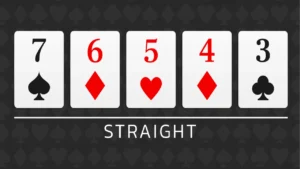
Flush is five cards of the same suit in any order. Straight is five cards in sequence but not all the same suit. Three of a Kind is three cards of the same rank. Two Pair is two cards of one rank and two cards of another rank. One Pair is two cards of the same rank. High Card is when you have none of the above, and your highest card determines your hand strength.
Betting Rounds Overview
Each poker hand includes multiple betting rounds where you decide whether to put money in the pot. Your options change based on what players before you have done.
You can fold to throw away your cards and exit the hand. You can check to pass the action without betting if no one has bet before you. You can call to match the current bet amount. You can raise to increase the bet amount, forcing other players to match your new bet or fold.
The first betting round starts after cards are dealt. Subsequent rounds happen as more cards are revealed or dealt. Each round continues until all active players have put in the same amount of money or folded.
Table Positions
Your seat position at the poker table determines when you act during each betting round. Acting later gives you more information about other players’ decisions.
The dealer button marks the best position at the table. The small blind and big blind sit to the left of the dealer and must post forced bets before cards are dealt.
Early position players act first and include seats immediately left of the big blind. Middle position comes next, offering moderate advantage. Late position includes the dealer button and the seats right before it.
Late position is the most advantageous because you see what most players do before making your decision. Early position requires stronger hands because you act without information about other players’ intentions.

Core Concepts in Poker
Success in poker requires more than knowing the rules. You need to understand how to deceive opponents, manage your resources, and adapt your strategy based on which version you’re playing.
Bluffing and Reading Opponents
Bluffing means betting or raising with a weak hand to make other players fold better hands. You’re essentially lying about your card strength to win pots you wouldn’t otherwise win. The key to successful bluffing is doing it at the right time against the right opponents.
You should look for betting patterns that reveal information about other players’ hands. A player who bets aggressively might have strong cards or could be bluffing. Someone who hesitates before calling might be unsure about their hand strength.
Physical tells also matter in live games. Watch for changes in breathing, eye movements, or how quickly someone places chips. However, experienced players often fake these signals to mislead you.
Common signs of weak hands:
- Checking multiple times
- Quick calls without thinking
- Defensive body language
Chip Management
Your chip stack determines how aggressive or cautious you should play. When you have many chips, you can take more risks and pressure opponents. With fewer chips, you need to be selective about which hands you play.
The blinds increase over time in tournament play, which forces action. As blinds grow larger compared to your stack, you must play more hands or risk being eliminated by the rising costs. You can’t wait forever for perfect cards.
Going all-in means betting every chip you have. Use this move strategically when you have a strong hand or when your stack becomes too small to be effective.
Variation Between Poker Types
Texas Hold’em uses five community cards that all players share, plus two personal cards. You must make your best five-card hand from these seven total cards.
Stud poker gives you a mix of face-up and face-down cards without community cards. You can see some of your opponents’ cards, which changes how you evaluate hand strength.
Draw poker lets you exchange cards from your original hand for new ones. This gives you a second chance to improve weak hands, unlike Hold’em where you’re stuck with your two cards throughout the hand.